
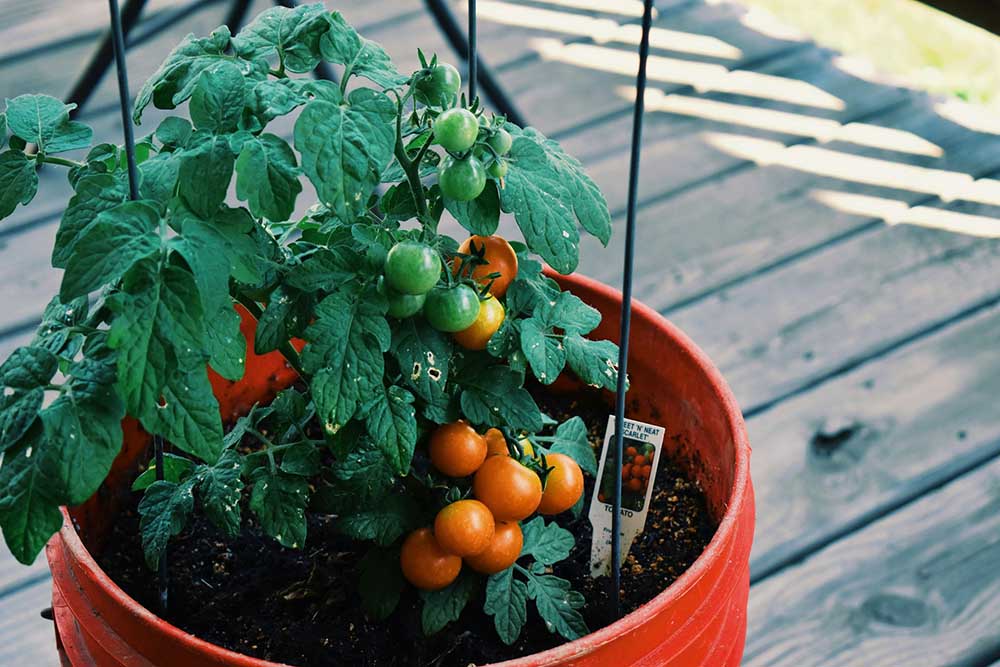
Vegetable Container Gardening for Beginners
Quick Summary
- Vegetable container gardening is perfect for small spaces like balconies, rooftops, or patios
- You can grow fresh vegetables using pots, planters, or any container with proper drainage
- Choosing the right soil, container size, and sunlight is key to success
- Easy beginner vegetables include tomatoes, lettuce, spinach, and herbs
- Ideal for urban living and low-maintenance gardening
What Is Vegetable Container Gardening for Beginners?
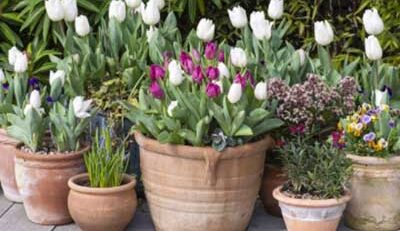
Vegetable container gardening for beginners means growing vegetables in pots, planters, or containers instead of planting them directly in the ground. It is one of the easiest and most flexible ways to start gardening, especially if you have limited space.
This method is perfect for:
- Apartment dwellers
- Small-space homes
- Urban gardeners
- Beginners with no prior experience
Vegetable container gardening for beginners is the process of growing vegetables in pots or containers using proper soil, sunlight, and watering techniques. It is ideal for small spaces and allows anyone to grow fresh, healthy vegetables at home without needing a traditional garden.
Why Choose Vegetable Container Gardening?
Vegetable container gardening for beginners offers several advantages that make it ideal for starting your gardening journey.
Benefits
- Easy to manage and maintain
- Requires very little space
- Portable (move plants easily for sunlight)
- Better control over soil quality and pests
- Perfect for balconies, patios, and rooftops
Choosing the Right Containers
Selecting the right container is one of the most important steps in successful container gardening.
Important Factors
| Factor | Why It Matters |
|---|---|
| Size | Larger pots support better root growth |
| Drainage | Prevents root rot and overwatering |
| Material | Affects moisture retention and temperature |
Types of Containers
- Plastic pots (lightweight and affordable)
- Terracotta pots (breathable but dry faster)
- Fabric grow bags (excellent drainage)
- Recycled containers (budget-friendly option)
If you’re just starting, you can explore affordable plant pots from your store collection to get the right size and material for beginners.
Best Vegetables for Beginners
Starting with easy-to-grow vegetables increases your chances of success.
Top Beginner-Friendly Vegetables
- Tomatoes
- Lettuce
- Spinach
- Chili peppers
- Herbs (basil, mint, coriander)
These vegetables grow well in containers and require minimal maintenance.
Sunlight Requirements
Most vegetables need at least 6–8 hours of direct sunlight daily to grow properly.
Placement Tips
- Place containers on a south-facing balcony
- Use rooftops or open spaces for maximum light
- Rotate pots regularly for even sunlight exposure
Best Soil for Container Gardening
Using the right soil mix is essential for healthy plant growth.
Avoid using regular garden soil
Ideal Soil Mix
- Potting soil (base)
- Compost (nutrients)
- Coco peat or perlite (for drainage)
Recommended mix:
40% soil + 30% compost + 30% coco peat
Watering Guide
Watering correctly is one of the most important parts of vegetable container gardening for beginners.
Watering Tips
- Water when the top 1–2 inches of soil feels dry
- Avoid overwatering and waterlogging
- Morning watering is best for plant health
Fertilizing Your Plants
Since nutrients drain quickly from containers, regular feeding is necessary.
Recommended Fertilizers
- Organic compost
- Liquid fertilizer (every 2 weeks)
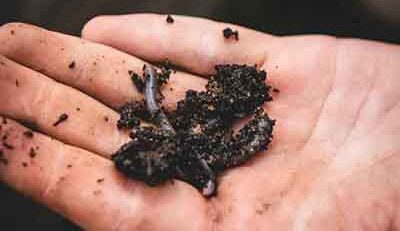
- Vermicompost
You can also use basic gardening tools for beginners to make fertilizing and maintenance easier.
Step-by-Step Guide to Start
Step 1: Choose Your Location
Pick a sunny location such as a balcony, rooftop, or window
Step 2: Select Containers
Use pots with proper drainage holes
Step 3: Prepare Soil Mix
Use a high-quality potting mix
Step 4: Plant Seeds or Seedlings
Follow proper spacing and planting depth
Step 5: Water Properly
Keep the soil moist but not soggy
Step 6: Provide Sunlight
Ensure at least 6 hours of sunlight daily
Common Mistakes to Avoid
Avoiding these mistakes will help your plants grow healthier:
- Overwatering plants
- Using poor-quality soil
- Choosing containers that are too small
- Not providing enough sunlight
- Ignoring proper drainage
Pros and Cons of Container Gardening
Pros
- Beginner-friendly
- Space-saving
- Cost-effective
- Flexible setup
Cons
- Requires regular watering
- Limited plant size
- Soil dries out faster
Tips for Better Results
- Start with 2–3 plants initially
- Choose quality containers and soil
- Rotate plants for better sunlight exposure
- Check regularly for pests
- Use organic fertilizers for healthy growth
FAQs
1. What vegetables grow best in containers?
Tomatoes, lettuce, spinach, herbs, and peppers grow best in containers and are ideal for beginners.
2. How often should I water container vegetables?
Water when the topsoil feels dry, usually once a day in warm weather.
3. Can I use any container for gardening?
Yes, but it must have proper drainage holes to prevent root rot.
4. Do container vegetables need fertilizer?
Yes, nutrients wash out quickly from containers, so regular feeding is necessary.
5. How much sunlight do vegetables need?
Most vegetables require at least 6–8 hours of direct sunlight daily.
Conclusion
Vegetable container gardening for beginners is one of the easiest and most rewarding ways to grow your own food at home. Even with limited space, you can enjoy fresh, healthy vegetables by using simple pots and proper care techniques.
Start small, stay consistent, and you will quickly build confidence as your plants grow successfully.
Start Your Container Garden Today
Looking to begin your gardening journey?
Explore beginner-friendly pots, planters, and gardening tools at The Hof Garden and create your perfect container garden today.


Leave a Reply